


Preparing to Row the Atlantic in December: Why We’re Paying Attention to Light, Sleep and Recovery Now
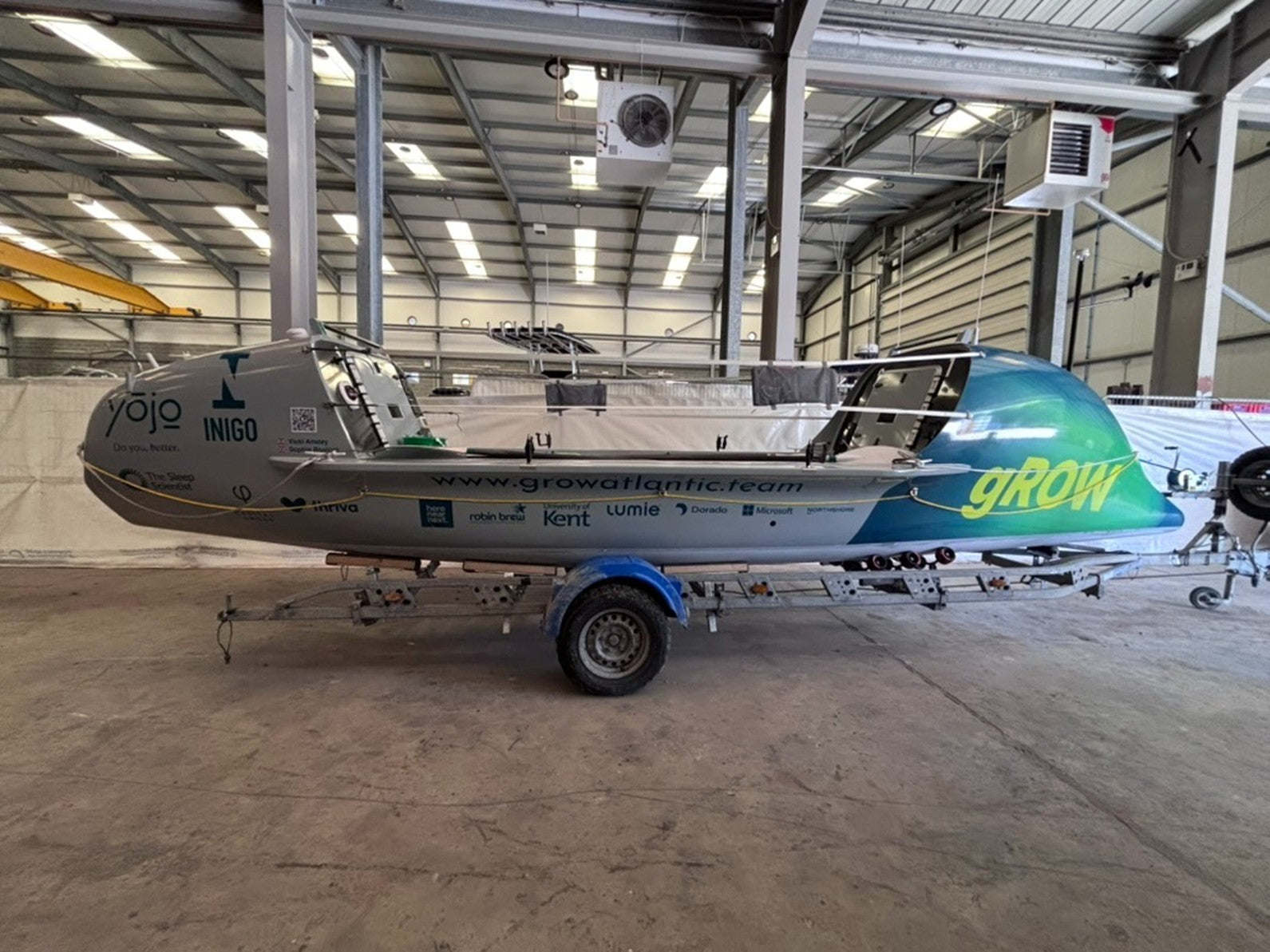
Over the next 6 months, my teammate Vicki Anstey and I will be preparing to row unsupported across the Atlantic Ocean as team gROW. Our goal? To complete the 3000 mile race faster than any other female pair in under 38 days, to set a new world record.
It’s an audacious target, especially for two women in their forties who have never been professional athletes. No matter how much training we do, we may not become the strongest, fittest or most skilful rowers.
We’re going to need science to give us an edge.
As a sleep scientist, I’ve spent years helping people optimise sleep and recovery in everyday life. This challenge offers something very different: a chance to explore those same principles in one of the most extreme endurance environments imaginable.
People often imagine Atlantic rowing preparation as endless gym training sessions. It’s true - we do a lot of that! But this phase feels more like managing a second full-time job.

We’re raising sponsorship, building a social media presence, liaising with race organisers to complete pre-race inspections, planning nutrition, learning about navigation, weather and tides, learning about every system on the boat, completing mandatory qualifications in marine safety and VHF radio communication… the list goes on!
When I set out on this journey, I hadn’t appreciated the huge cognitive load involved.
At this stage, optimal performance is as much about sustained concentration, learning, organisation and decision-making as it is about grinding out long hours on the rowing machine.
Some evenings, after hours spent juggling logistics and training plans with the demands of a full time job, I realise I’ve barely been outdoors all day.
That’s one reason I’ve become increasingly interested in how we can better support alertness, focus and recovery through light exposure and circadian health.
Over the coming months, we’ll be sharing more about what we learn about the science of sleep, circadian rhythms and recovery — not just for ocean rowing, but for anyone trying to sustain energy and performance in demanding lives.
One of the first areas we’ve been focusing on is light.
Light is one of the most powerful drivers of human performance, yet it’s often overlooked. Our circadian rhythms — the internal body clocks that regulate sleep, alertness, hormones and recovery on a 24 hour cycle — are highly sensitive to when and how we’re exposed to light throughout the day.
Research has consistently shown that circadian rhythms influence everything from reaction time and endurance to mood and cognitive performance. A review published in Sports Medicine highlighted clear daily fluctuations in athletic performance linked to circadian timing.
Morning light exposure is particularly important because it helps suppress melatonin, increase alertness and anchor the timing of sleep later that night. Research from Harvard Medical School has also shown that light is one of the strongest influences on the timing of the human circadian system, independent of sleep-wake timing.
Bright light sends a powerful signal to a master clock in the brain that helps coordinate our internal rhythms. When these rhythms are aligned, the body can better anticipate waking, eating, activity and sleep with the right shifts in hormones and alertness.
Lumie lights have been part of my daily routine for years, from long before I thought about rowing the Atlantic. Like many people in the UK, in the darker winter months I often start the day before sunrise. Early training sessions, work commitments and travel can easily mean waking in darkness and spending large parts of the day indoors.
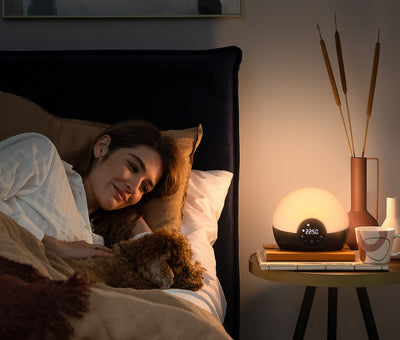
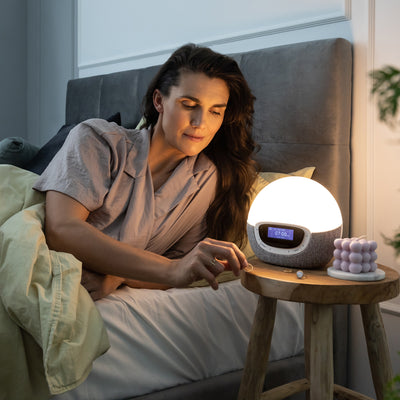
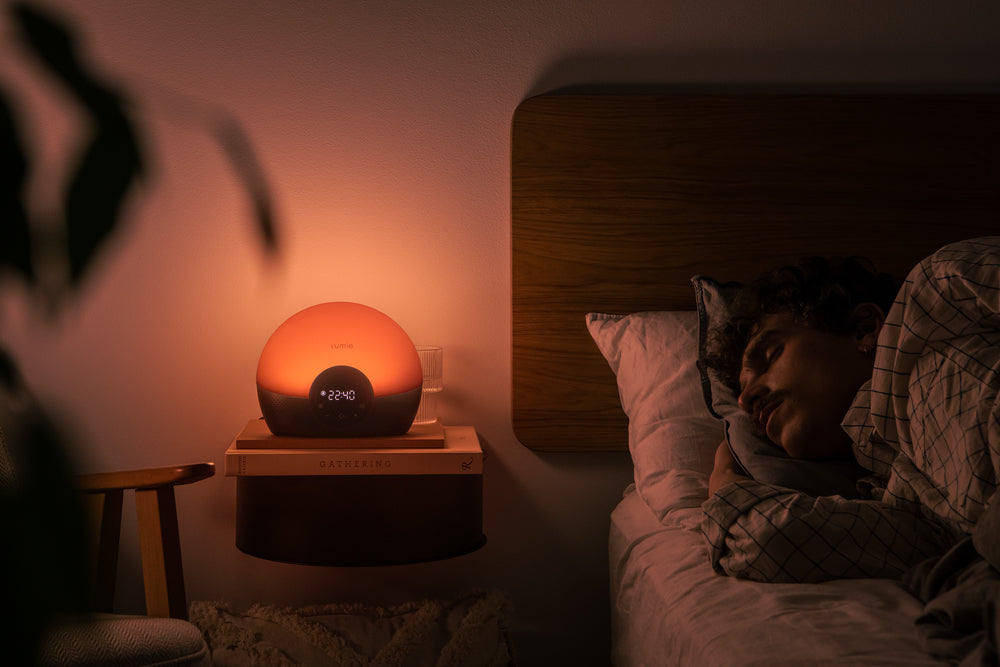
I originally bought a Lumie Bodyclock wake-up light in the hope that it would make getting out of bed at 6am less painful! Instead of being jolted awake by an alarm in darkness, the room gradually brightens to simulate sunrise. I wake up earlier, but also calmer than relying on an alarm alone.
On intense training weeks, that gentler transition into wakefulness feels surprisingly important. It reduces that “stress-start” feeling many of us experience when an alarm abruptly pulls us out of sleep.
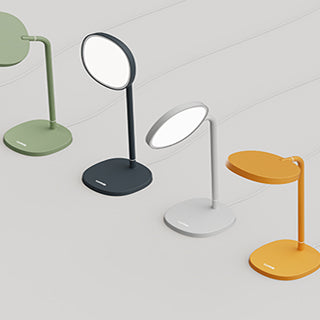
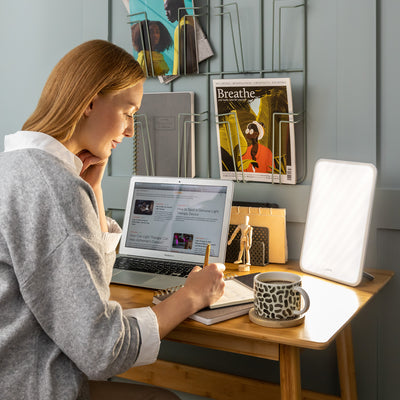
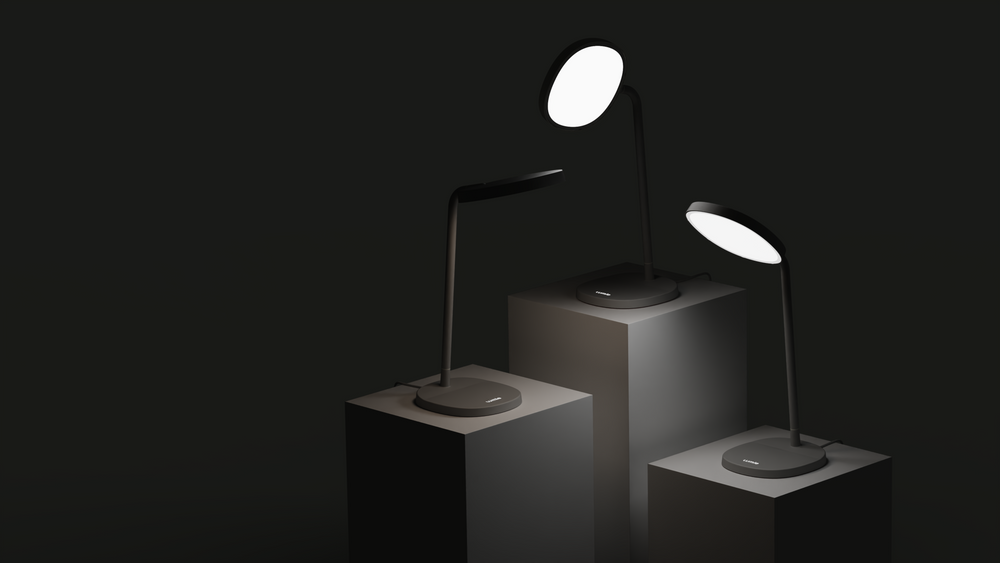
This summer, the bigger surprise has been how useful I’ve found the Lumie Task light during the day.

A large part of Atlantic preparation currently involves long hours indoors — writing sponsorship proposals, reviewing logistics documents, studying navigation, planning training schedules and trying to absorb a huge amount of new information.
Like many people working demanding jobs, it’s easy to spend entire days indoors under relatively dim lighting without even noticing it.
The problem is that our brains evolved outdoors.
Even a bright office can be dramatically dimmer than natural daylight, and growing evidence suggests that daytime light exposure plays an important role in supporting alertness, mood and cognitive performance.
One workplace study found that exposure to blue-enriched bright light during the day improved self-reported alertness, performance and sleep quality. Another study demonstrated that daytime light exposure can directly influence brain activity linked to working memory and attention.
In the sports domain, a recent study in American Football athletes found that light exposure in the morning was correlated with more hours of sleep, and higher daytime light exposure was associated with better sleep quality.
I’ve found the Lumie Task light especially helpful during long focused work sessions when energy naturally dips. It creates a stronger sense of daytime alertness, helping reinforce the contrast between day and night that healthy sleep and recovery depend on.
One of the biggest challenges in endurance performance isn’t simply physical fatigue — it’s circadian disruption. When sleep timing, recovery and light exposure become misaligned, cognitive performance, mood and resilience can all suffer.
Whether you’re preparing to row across an ocean, training for an endurance challenge, or simply trying to manage a busy modern life, proactively managing bright light exposure is a great place to start.
As our preparation for the World’s Toughest Row continues, we’ll be sharing more of the science, strategies and lessons we learn along the way @growatlantic — from sleep deprivation and circadian disruption to recovery, focus and endurance.
This challenge isn’t just about how to row an ocean. It’s an opportunity to explore how to support humans to perform at their best.

